BRAND INTRODUCTION
Nillis
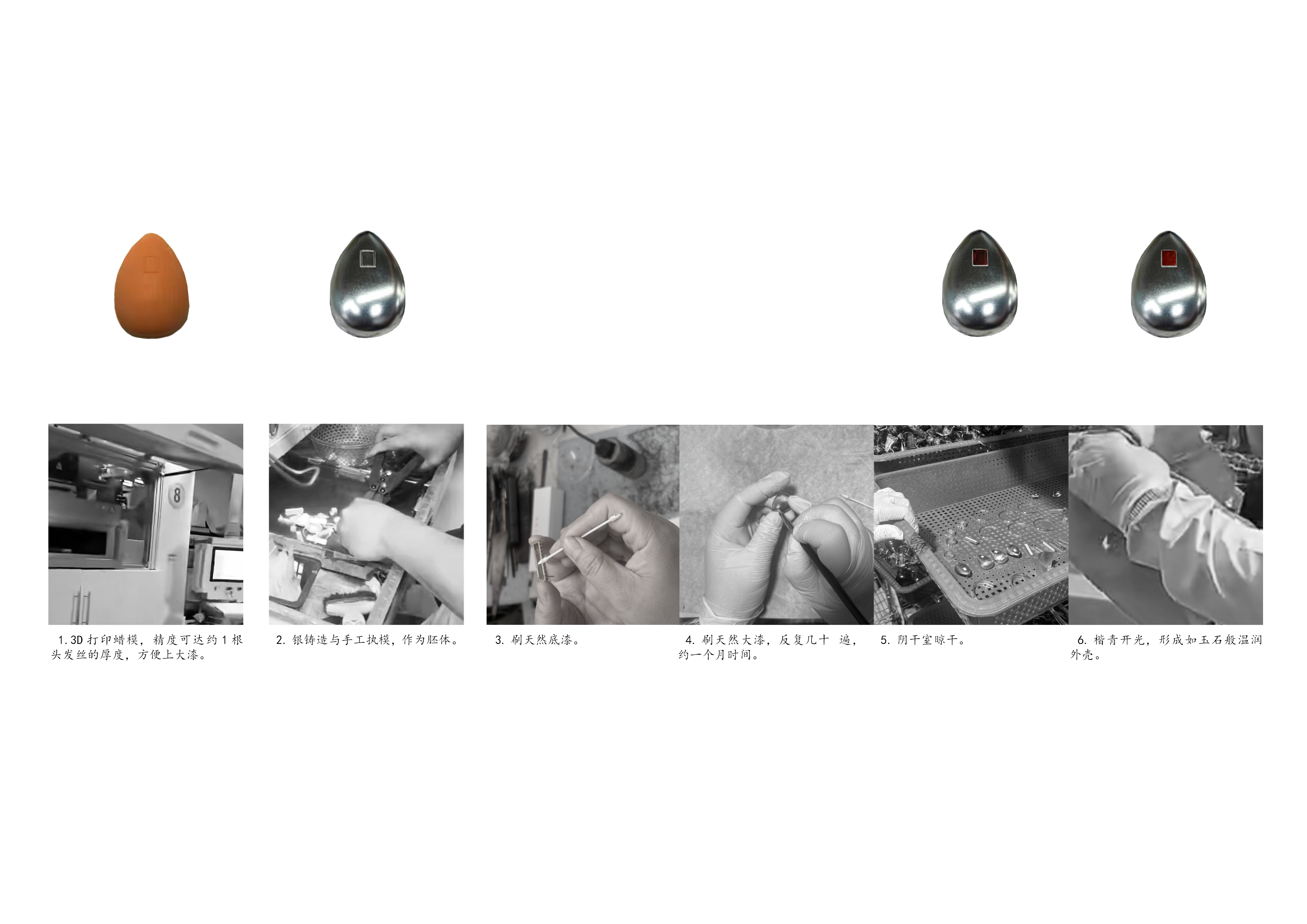
Nillis 中文名为“霓俪诗”,寓意优雅的边虹之诗。品牌核心理念是以革新技术为驱动,将 3D 打印这一前沿技术与大漆精美华丽的古老技艺相融合,让仅仅为帝王与贵族所享用的瑰宝,进一步走入当代大众文化领域。这种当代与传统技艺强强联合的理念,亦是国内设计史上首次将大漆与 3D 打印相结合的尝试。我们的目标,是让这一最具革新性的技术融合走入人们的日常生活,于最平凡的烟火日常中,获得低调而奢侈、先锋而古朴的佩戴体验。
Nillis
Its Chinese name is “霓俪诗” (Nílìshī), meaning “a poem of the elegant rainbow’s edge.” The brand’s core philosophy is driven by innovative technology: combining the cutting-edge technology of 3D printing with the exquisitely ornate ancient craft of Chinese lacquer, allowing a treasure once enjoyed only by emperors and aristocrats to enter further into the realm of contemporary popular culture. This idea of a powerful alliance between contemporary and traditional crafts is also the first attempt in Chinese design history to combine lacquer with 3D printing. Our goal is to bring this most innovative technological fusion into people’s daily lives, so that amid the most ordinary routines of everyday life, one can enjoy a wearing experience that is understated yet luxurious, avant-garde yet ancient.
vol.1 竹隐
大隐隐于市,小隐隐于竹。竹子在中国传统文化语境中自古象征高洁无染的品质。在中国建筑艺术领域,根植于在地文化,以王澍、刘家琨等为代表的中国“低技派”建筑师,就地取竹材压制混凝土模具,营造中国式空间氛围,在国内外赢得广泛声誉,并斩获普利兹克建筑奖,这无疑成为中国建筑界的一张有力名片。本季灵感便源于这种竹制混凝土样式。
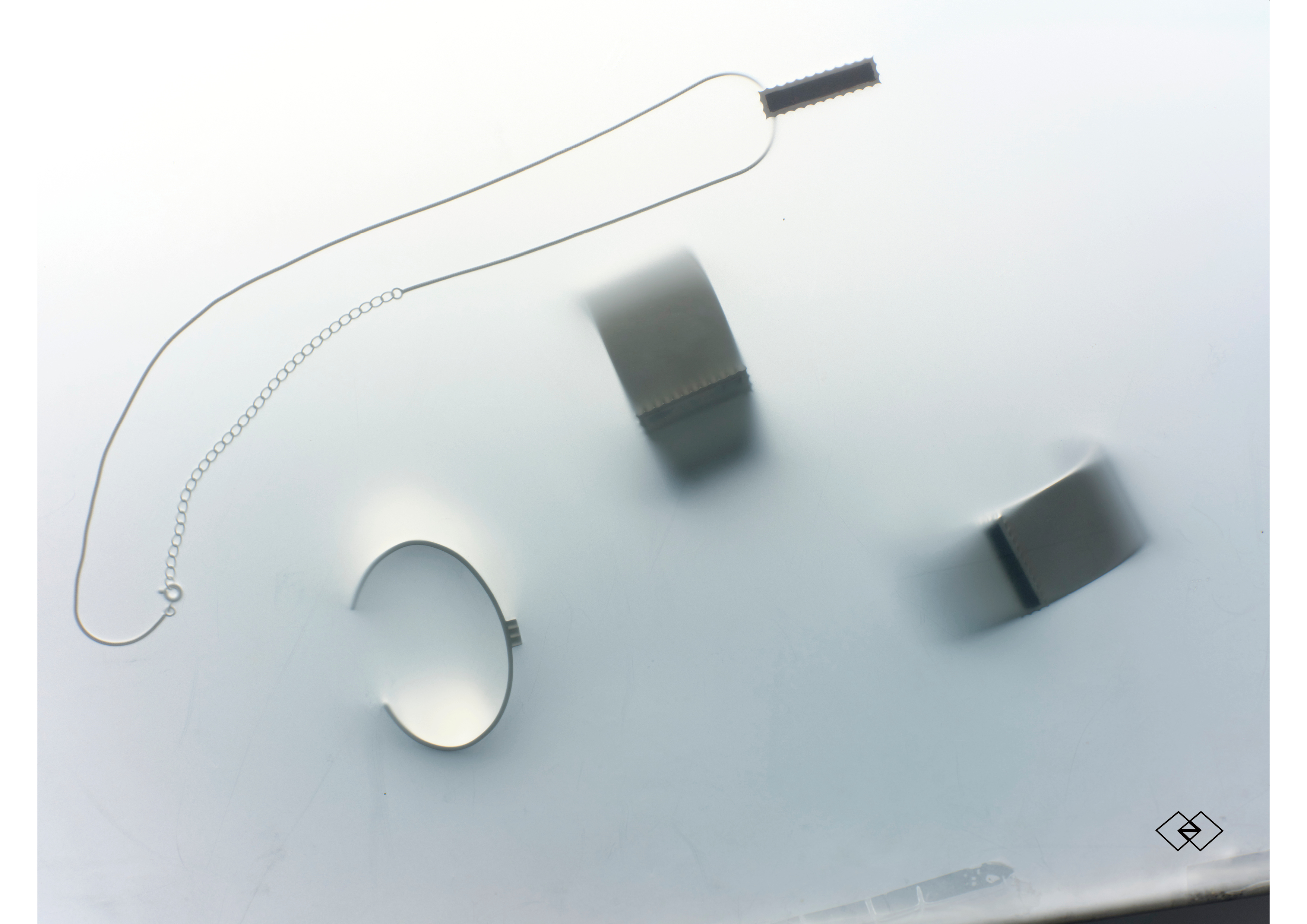
历经千年风霜依旧不变的大漆,与可能随时间氧化的银制竹纹,形成一组跨越时间的对话。银的易氧化原本是缺点,在这里却脱离了一般定义,反而成为一种艺术表达手法——代表时间的流逝。“竹隐”系列正是在时间之变与本色之恒的对比语境中诞生。任万物如竹影斑驳、如季节轮转,心如大漆,历经沧桑变化而不动摇。
vol.1 Behind the Bamboo
The great hermit hides in the city; the lesser hermit hides in bamboo. In the context of traditional Chinese culture, bamboo has since ancient times symbolized noble and unblemished character. In the field of Chinese architectural art, Chinese “low-tech” architects represented by Wang Shu and Liu Jiakun, rooted in local culture, used locally sourced bamboo to press concrete formwork, creating Chinese-style spatial atmospheres. They have won wide acclaim at home and abroad and received the Pritzker Architecture Prize, which has undoubtedly become a powerful calling card for Chinese architecture. The inspiration for this season comes from this bamboo-form concrete style.
Lacquer, which remains unchanged after a thousand years of weathering, and silver bamboo motifs, which may oxidize over time, form a dialogue across time. The tendency of silver to oxidize, originally a shortcoming, here breaks free from conventional definitions and instead becomes an artistic expression—representing the passage of time. “Behind the Bamboo” collection was born precisely in this contrasting context between the changes of time and the eternity of essential nature. Let all things be as dappled bamboo shadows, turning like the seasons; may the heart, like lacquer, remain unwavering through the vicissitudes of time.